The Sense of Belonging: Why Connection Improves Academic Performance
Jan 27, 2026
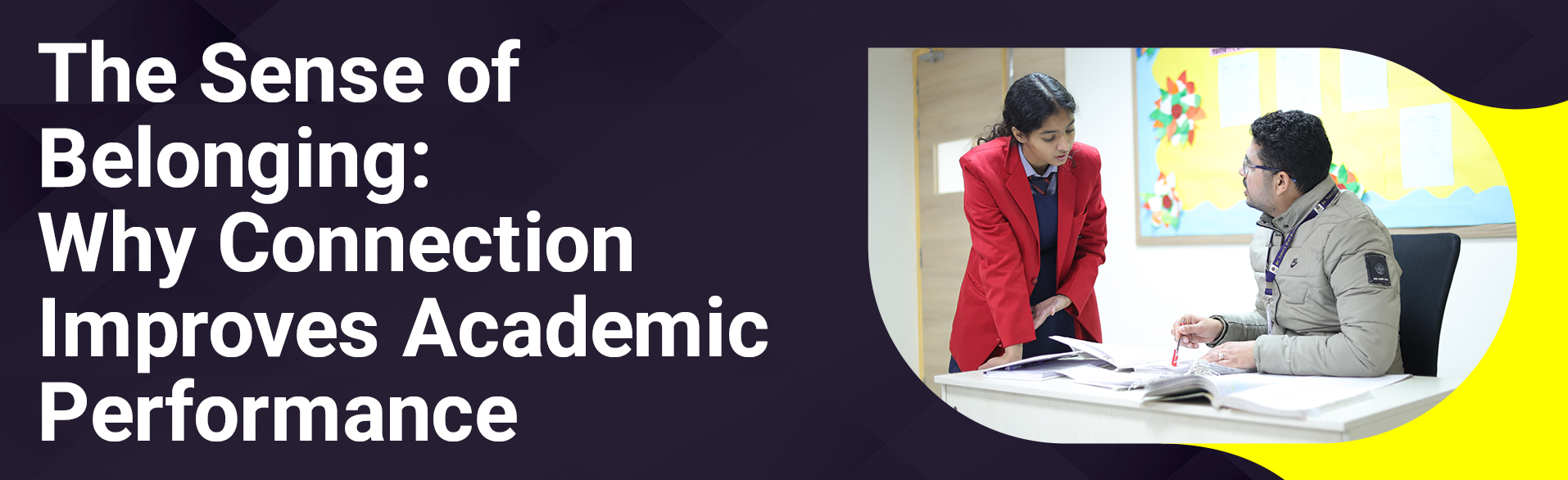
Parents rarely begin their school search with neuroscience or learning theories. They begin with a feeling. Does this place understand my child? While exploring top CBSE schools in Gurgaon, many families quietly observe one pattern.
Children who feel emotionally safe tend to learn with greater focus, confidence, and consistency. Belonging creates the conditions where effort feels natural rather than forced. Academic performance often improves not through pressure, but through trust built day after day inside classrooms.
Why Does A Sense of Belonging Matter in Good Schools in Gurgaon?
When children feel they truly belong, learning feels safer and more natural. Acceptance encourages curiosity, focus, and confidence, helping students perform better in reading, mathematics, and problem solving across different age groups.
Belonging also reduces classroom anxiety. Children who feel supported ask questions freely, recover from mistakes faster, and remain engaged during difficult lessons. These qualities influence long term academic outcomes across subjects.
In good schools in Gurgaon, this environment does not develop by accident. It grows through daily interactions that show children they matter as individuals.
How Do Teacher Student Relationships Influence Learning Outcomes?
Teacher relationships remain one of the strongest academic predictors across primary and secondary years. A respectful bond encourages effort without fear of embarrassment. A 2022 study published by the American Psychological Association reported that students with supportive teachers showed stronger motivation and improved classroom participation. These effects remained consistent across diverse learning abilities.
Teachers who listen carefully notice early learning struggles. They adjust explanations before gaps widen. Students respond by trusting guidance rather than resisting it.
This relationship also builds emotional regulation. Children learn patience, cooperation, and resilience through daily modelling. Academic discipline becomes a shared responsibility rather than a rule imposed from above.
What Classroom Practices Strengthen Emotional Security in CBSE Schools?
Thoughtful classroom routines help students feel stable and included. Predictable structures allow children to focus on learning rather than uncertainty.
Effective practices often seen in top CBSE schools in Gurgaon include steady feedback, respectful discussion norms, and opportunities for student voice.
How Does Peer Connection Shape Academic Confidence?
Peer relationships influence how children perceive their own abilities. Acceptance among classmates encourages participation and intellectual risk taking. Studies from the Education Endowment Foundation indicate that positive peer interaction supports collaborative learning and deeper subject understanding. Students explain concepts to one another using familiar language.
Healthy peer bonds also discourage social isolation. Children remain attentive when they feel included rather than excluded. This attentiveness directly affects classroom comprehension and retention.
Schools that nurture peer respect see fewer behavioural disruptions. Learning time increases naturally when emotional conflicts decrease.
Can A School Environment Reduce Learning Pressure without Lowering Standards?
High expectations do not require emotional strain. Structured support allows standards to remain strong without overwhelming students. A balanced school environment recognises effort alongside outcomes. Children learn persistence through encouragement rather than comparison.
For school admission in Gurgaon, many parents look beyond examination results. They seek schools where emotional development supports academic rigour.
A school where academic expectations align with emotional awareness. Teachers guide students to manage workload thoughtfully, building discipline without fear. This balance prepares learners for sustained success rather than short term performance spikes.
How Does Belonging Influence Long-Term Academic Behaviour?
Belonging shapes habits that last beyond classrooms. Students who feel connected develop self discipline rooted in purpose rather than compliance. They attend school with consistency. They complete work with ownership. They seek help when needed instead of withdrawing.
According to UNESCO education insights, emotionally supported learners show higher school retention rates and stronger transitions into higher education. These outcomes reflect internal motivation built early.
Belonging therefore becomes an academic foundation. It influences how children approach challenges throughout their educational journey.
What Should Parents Observe When Visiting A Prospective School?
Parents often sense belonging through small details. How do teachers address students? How do children speak to one another? How does the space feel during ordinary moments?
Observing these interactions provides deeper insight than brochures or rankings. Belonging reveals itself in tone, patience, and mutual respect.
When evaluating good schools in Gurgaon, parents benefit from noticing whether learning feels collaborative rather than competitive. These observations often predict academic wellbeing more accurately than statistics alone.
Conclusion
Academic performance thrives where children feel seen, heard, and supported. Belonging strengthens attention, resilience, and curiosity without relying on pressure. At St Xavier’s High School Sector 89, learning grows within a culture of trust, thoughtful guidance, and respectful relationships. This approach allows students to achieve strong academic outcomes while developing emotional confidence. When connection leads, learning follows with purpose and balance.